Our Services
Periodontal Maintenance
This procedure is instituted following periodontal therapy and continues at varying intervals, determined by the clinical evaluation of the dentist for the life of the dentition or any implant replacements. It includes removal of the bacterial plaque and calculus from subgingival and subgingival regions, site specific scaling and root planning where indicated, and polishing the teeth. If new or recurring periodontal disease appears, additional diagnostic and treatment procedures must be considered.
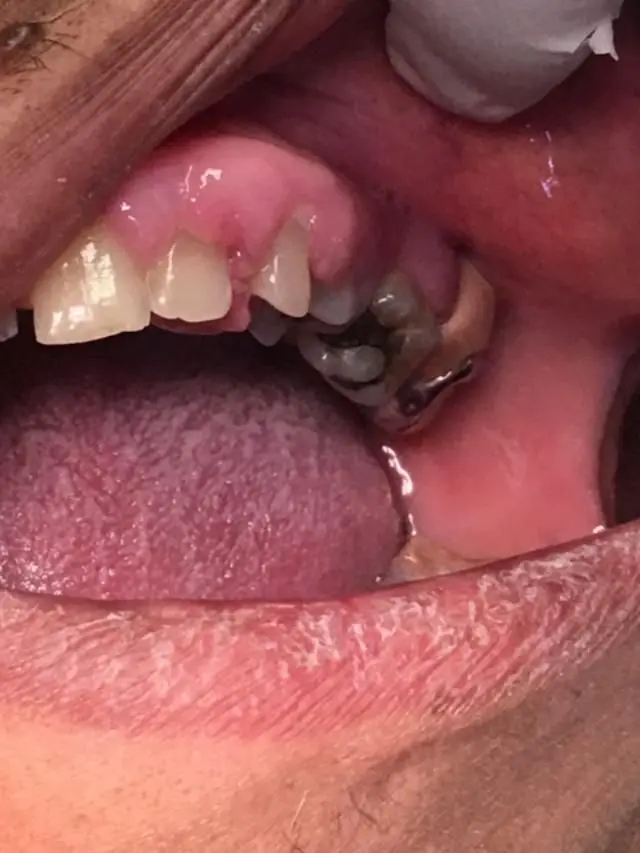
Drug Induced Hyperplasia
A soft tissue flap is reflected or resected to allow debridement of the root surface and the removal of granulation tissue. Osseous recontouring is not accomplished in conjunction with this procedure. May include open flap curettage,reverse bevel flap surgery, modified Kirkland flap procedure, and modified Widman surgery. This procedure is performed in the presence of moderate to deep probing depths, loss of attachment, need to maintain esthetics, need for increased access to the root surface and alveolar bone, or to determine the presence of a cracked tooth, fractures root, or external root restoration. Other procedures may be required concurrent to D4240 and should be reported separately using their own unique codes.
Bone Grafting Procedure
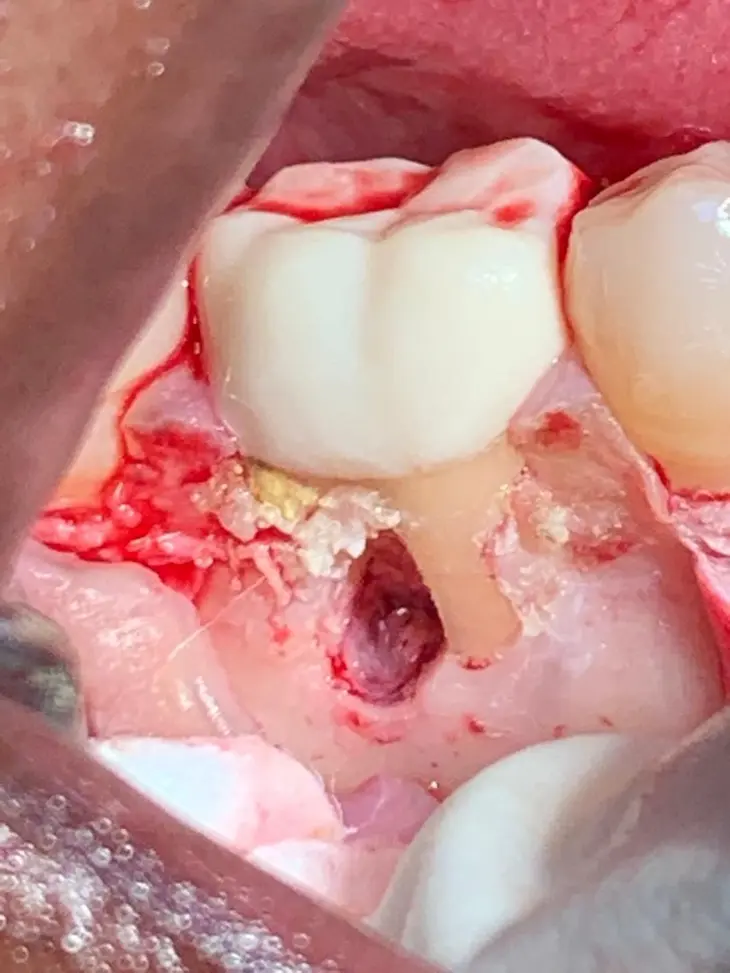
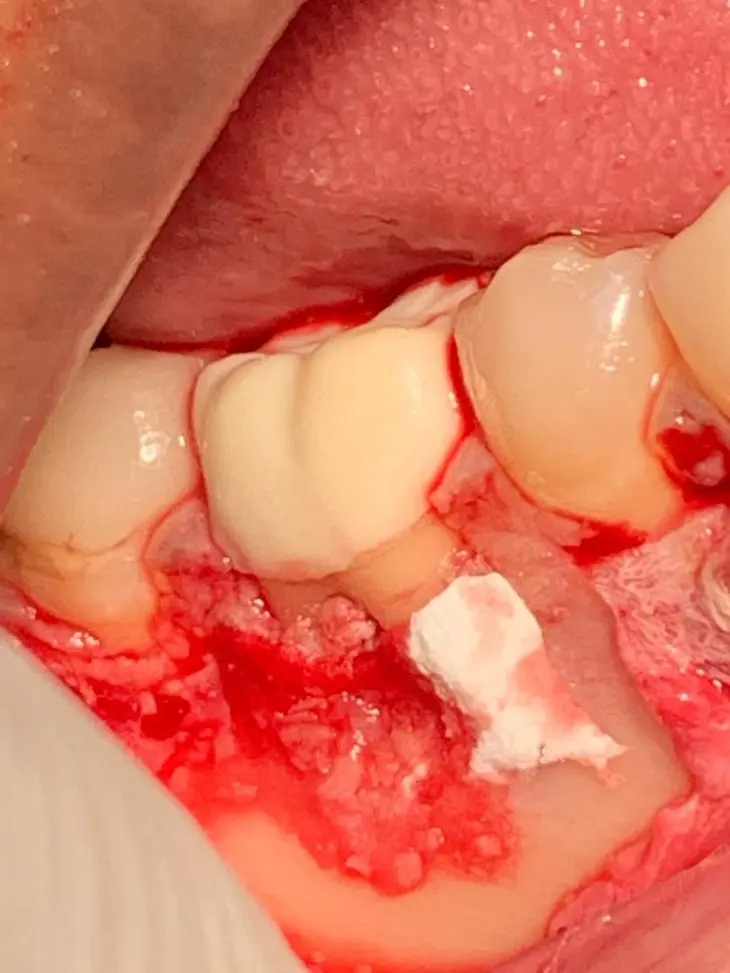
This procedure involves the use of grafts to stimulate periodontal regeneration when the disease process has led to a deformity of the bone. This procedure does not include flap entry and closure, wound debridement, osseous contouring, or the placement of biologic materials to aid in osseous tissue regeneration or barrier membranes. Other separate procedures delivered concurrently are documented with their own codes.
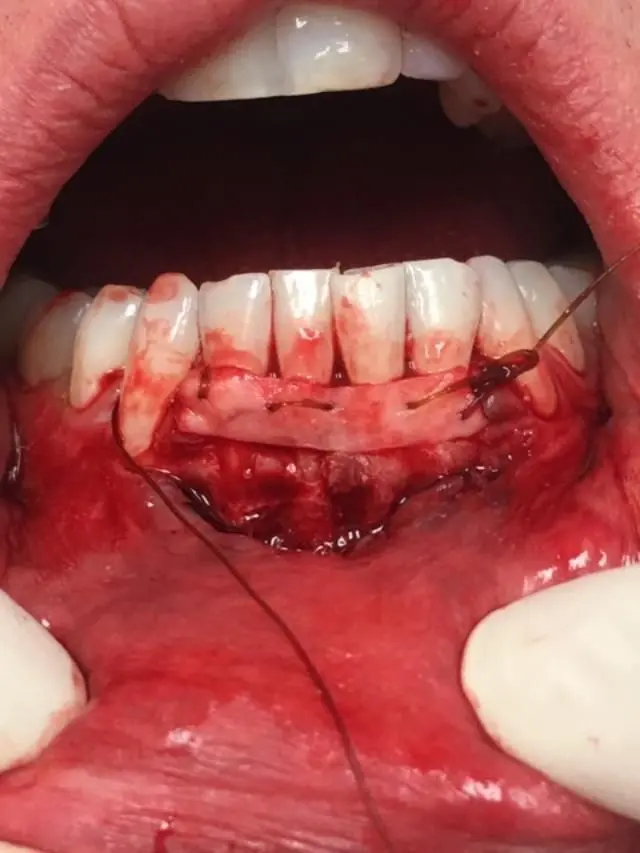
Tissue Graft Procedure
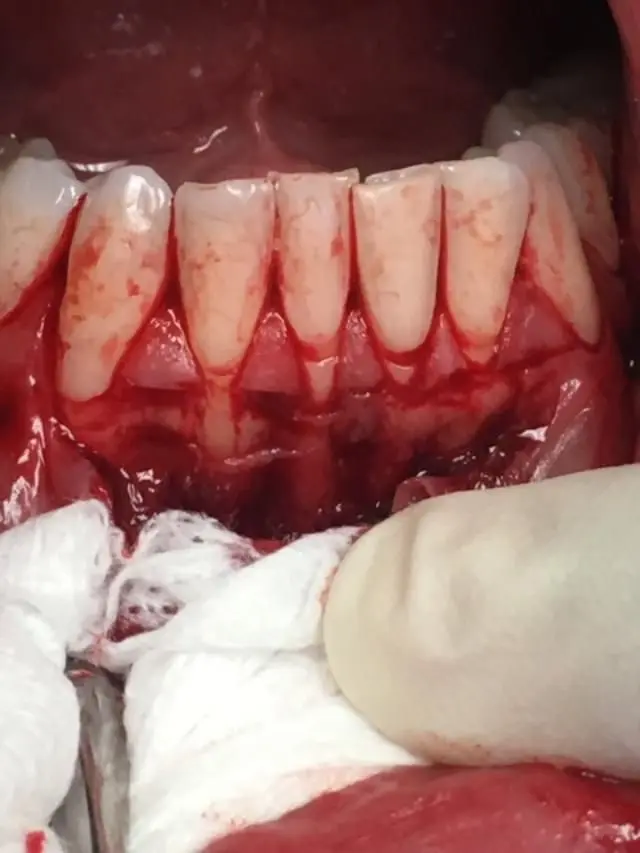
This procedure is performed to create or augment gingiva, to obtain root coverage to eliminate sensitivity and to prevent root caries, to eliminate frenum pull, to extend the vestibular fornix, to augment collapsed ridges, to provide an adequate gingival interface with a restoration or to cover bone or ridge regeneration sites when adequate gingival tissues are not available for effective closure. there are two surgical sites. the recipient site utilizes a split thickness incision, retaining the overlying flap of gingiva and/or mucosa. the connective tissue is dissected from the donor site leaving an epithelialized flap for closure. After the graft is places on the recipient site, it is covered with the retained overlying flap.
BEFORE
AFTER
Implant Debridement
Debridement of peri-implant defect or defects surrounding a single implant, and surface cleaning of the exposed implant surfaces, including flap entry and closure. Bone graft for repair of peri-implant -does not include flap entry and closure. Placement of a barrier membrane or biologic materials to aid in osseous regeneration are reported separately. **We do NOT place implants or remove them.